

How Pilot Personality Affects Safety Culture
- February
- 15
- 2026
- Advanced Aircrew Academy
ESTJ is the general occupational personality theme code for professional pilots as defined by Meyers-Briggs. Yes, pilots hate those tests, and most pilots don’t fit those personality types exactly, but within a crew environment, these are the observable behaviors that help pilots thrive in aviation. This combination of Extraverted, Sensing, Thinking, Judging personality traits exist in about 11% of the U.S. population. The traits that make great pilots can also be a detriment and a double-edged sword for your flight department’s safety culture.
If you evaluate your own behavior over the last week, you might exhibit behavior that encompasses a variety of personality types. They can even change over your lifetime, but each of us has an ingrained behavioral reflex and a pattern of thought that often cannot be determined by a multiple-choice test. Even though the ESTJ combination of personalities rose above the rest as a common theme in a personality test among thousands of people who are also pilots, your flight department is made up of variables of those traits, so let’s just address a commonality.
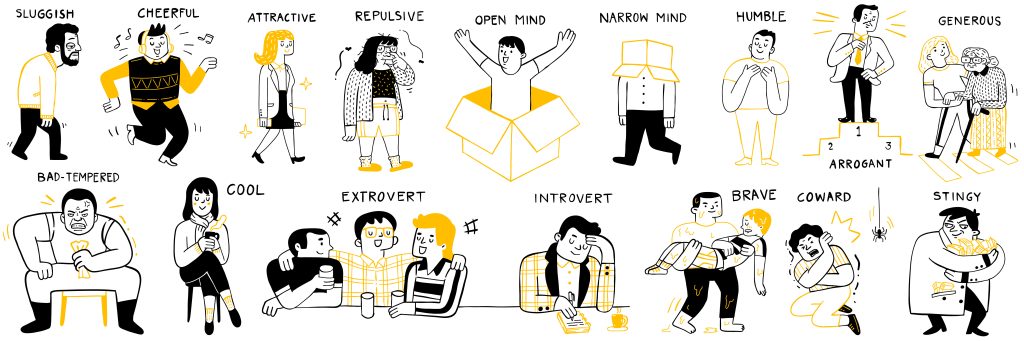
Despite what Meyers-Briggs says, pilots in general are introverts who exhibit extroverted behavior. Being a pilot requires outward confidence, decisiveness, and the ability to communicate a thought process clearly and immediately, leading to external action. It’s not just about internal decision-making, like an executive in a boardroom; pilots must turn their thoughts into immediate action and get instant feedback. The wrong action could be the last action they ever make.
Each flight requires constant, high-level leadership decision-making, followed by an immediate response to layers of input. To function, pilots must be able to detach themselves from emotion. That is the strength of an ESTJ pilot. However, that detachment can be an issue for the rest of the personalities in our world, and that disconnect can overshadow a pilot’s own decision-making ability.
If an engine is on fire, pilots need to compartmentalize the situation and separate it from how a human should react, with fear. This same ability can also make pilots appear abrasive, harsh, uncaring, and lacking empathy when flight coordination calls and asks them to work an extra day. Introverts recharge when they’re alone, so if you work them to the edge of duty-time day after day, they may quietly (or not) oblige, but their ability to maintain an elevated level of situational awareness is diminished.
The peripheral problem is that they often will not admit or acknowledge it within themselves. Especially with younger pilots who are ambitiously trying to rack up flight hours. They will say “yes” when they should say “no,” and because they finished the mission safely, it will be negative reinforcement. They are not aware of their own fatigue (or won’t admit it because that would be defeat) because they are detached from that perceived “emotion” of fatigue.
Now, take two ESTJ variables and lock them in a flight deck, just inches away from each other and there’s bound to be passive aggressive conflict, even between pilots who consider themselves friends. Pilots are trained to work under Crew Resource Management rules, and they’re excellent at it, but it’s not their instinct. They do not particularly like small talk, so they find flying an approach to minimums is easy, but conversation draining. Pilots function at their highest level after being away from the obligations of the flight deck after a break. With this in mind, it’s easier to create an environment and a company where pilots have higher job satisfaction, leading to a stronger safety culture. One simple solution is to make sure they’re getting enough time to detach.
Safety workshops and team-building are vitally important, so HR or Safety Managers have good intentions by creating such events, but constant requirements for pilots to gather on days off or during downtime, even via virtual meetings, can be detrimental. A weekly safety briefing might sound like you’re creating a better safety culture, but making your entire flight department take away from their detachment time every week can be the opposite of a safety meeting. Then, having workshops led by non-pilot personalities, where they make pilots do things like role-play a safety scenario in front of their peers, and you’ve set your company up for a quiet rebellion. Pilots are team players, but that means they will grumble amongst themselves and resent the event, but they won’t speak up to management because they respect their jobs.
Now that you know about their personalities, that’s half the battle. Recognizing that personality shapes behavior gives you the power to learn how to balance safety and budgets. It’s easy to do trivial things to make sure they get their quiet time without them even knowing. It’s hard to exercise self-discipline when you really, really need a pilot to fly on their day off, but weigh that against the overall health of your safety culture, and then decide. Do what pilots do and detach from your emotions before you decide.
